
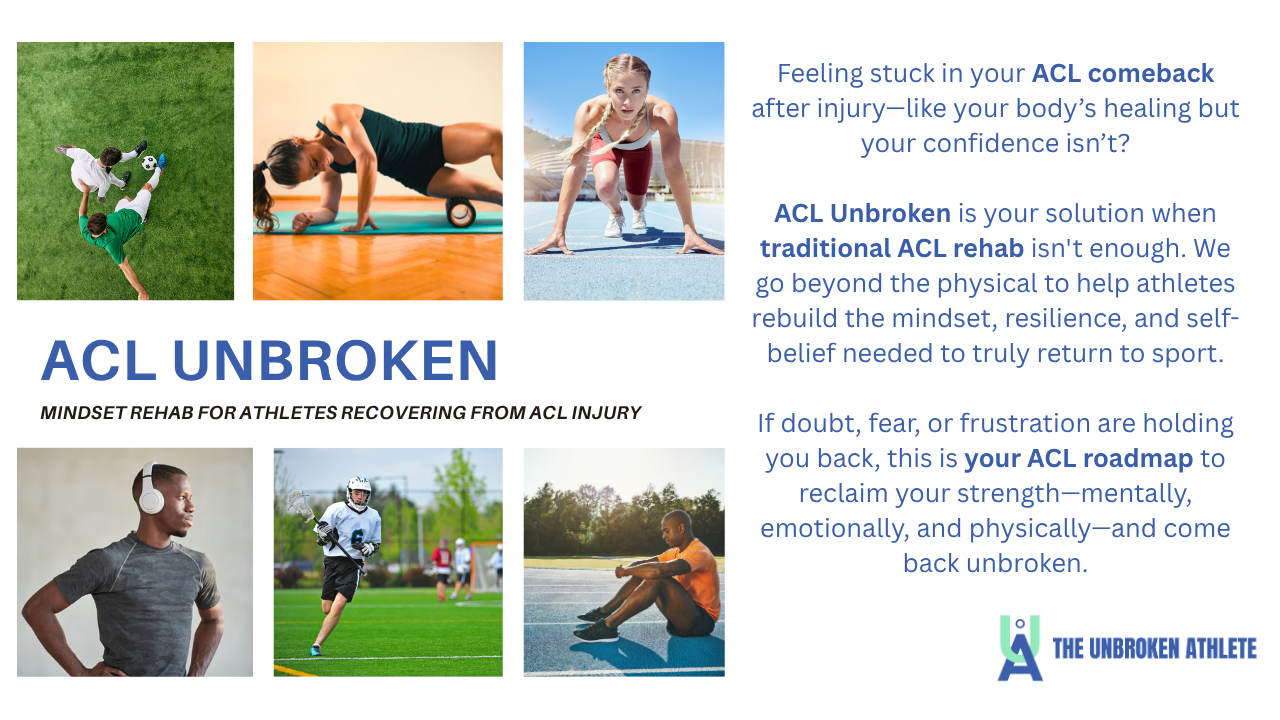
ACL Graft Choice and Psychological Readiness to Return to Sport
Mar 11, 2026Anterior cruciate ligament (ACL) injuries are among the most common—and most challenging—injuries for athletes. While much of the discussion around ACL reconstruction focuses on surgical technique and graft selection, another critical factor often receives less attention: an athlete’s psychological readiness to return to sport.
In this episode of the The Sports Docs Podcast, orthopedic sports surgeons Drs. Catherine Logan and Ashley Bassett discuss a recent research study examining the relationship between ACL graft choice and psychological readiness to return to play (RTS).
Why Psychological Readiness Matters After ACL Surgery
Returning to sport after ACL reconstruction isn’t just about restoring strength, stability, and range of motion. Many athletes struggle with fear of reinjury, loss of confidence, and hesitation during high-level movements.
Research has shown that psychological factors can significantly influence outcomes after ACL reconstruction. Athletes experiencing depression or psychological distress during recovery may report worse patient-reported outcomes, higher pain levels, and even increased complication rates.
One of the most widely used tools to measure psychological readiness is the ACL-RSI (Anterior Cruciate Ligament – Return to Sport after Injury) score, which evaluates confidence, emotions, and risk appraisal related to returning to sport.
Does ACL Graft Choice Affect Psychological Readiness?
The study discussed in this episode—titled “Association Between Autograft Choice and Psychological Readiness to Return to Sport After ACL Reconstruction”—examined whether graft selection may influence an athlete’s mental readiness during recovery.
Researchers evaluated athletes who underwent ACL reconstruction using three common autograft options:
-
Quadriceps tendon autograft
-
Hamstring tendon autograft
-
Bone–patellar tendon–bone (BTB) autograft
The study found that athletes reconstructed with quadriceps tendon autograft demonstrated higher ACL-RSI scores both at six months after surgery and at the time of return to sport compared with hamstring and BTB graft groups.
While return-to-sport rates were similar, the quadriceps tendon group showed greater psychological readiness and slightly faster return timelines in this cohort.
What This Means for Athletes and Surgeons
ACL graft selection is always individualized. Factors such as age, sport, anatomy, revision risk, and surgeon experience remain central to decision-making.
However, this research highlights an important point:
Recovery from ACL surgery is both physical and psychological.
Surgeons, physical therapists, and sports medicine teams should consider:
-
Objective physical readiness testing
-
Psychological readiness assessments (ACL-RSI)
-
Mental skills training during rehabilitation
-
Education and confidence-building for athletes
Addressing the mental side of recovery may help athletes return to sport more confidently and safely.
Listen to the Episode
In this episode of The Sports Docs Podcast, we break down:
-
The study design and findings
-
Differences between common ACL autograft options
-
How graft choice may influence psychological readiness
-
Practical implications for athletes and sports medicine providers
Listen to the full conversation HERE.