
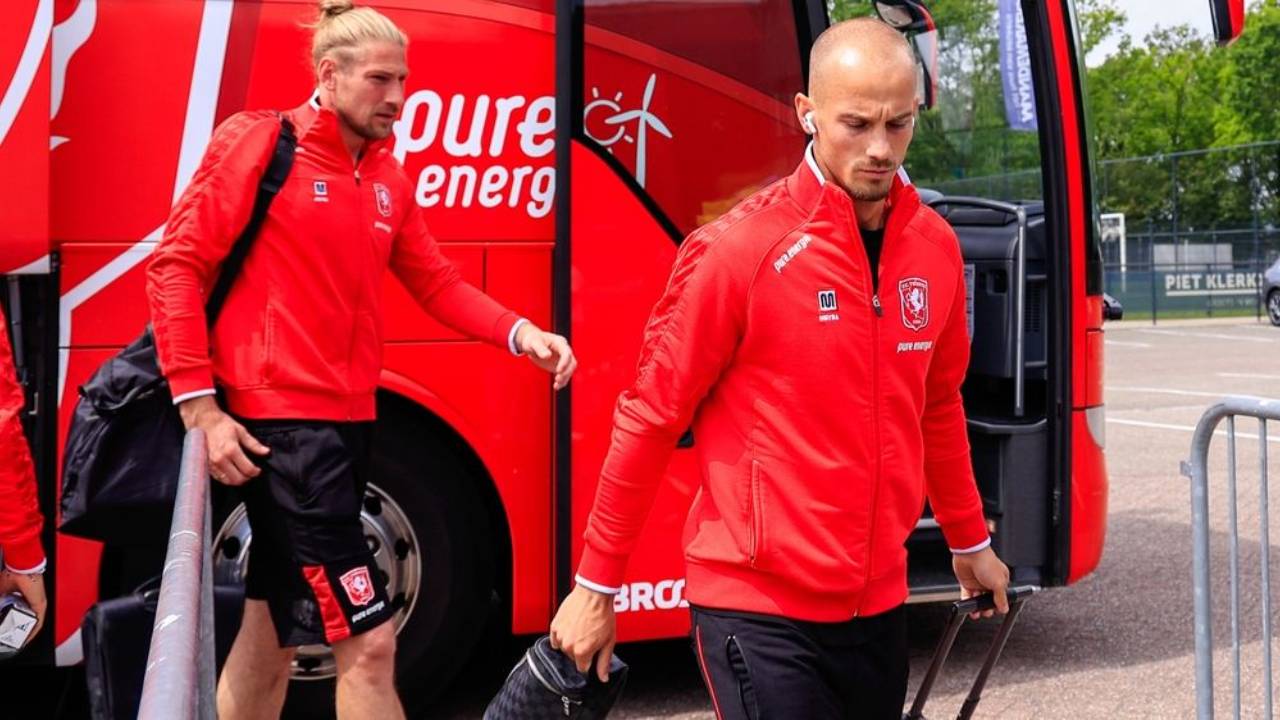
Travel, Time Zones & Rest: How to Maintain Energy on the Road
Dec 15, 2025Travel is part of competitive sport.
Early flights. Long bus rides. Hotel beds. Late games. Different time zones.
Yet travel is one of the most underestimated performance stressors for athletes. Not because it ruins preparation—but because athletes rarely adjust how they fuel, sleep, and recover when routines are disrupted.
This blog breaks down how to maintain energy, focus, and readiness while traveling—without overcomplicating things.
Why Travel Drains Athletes More Than They Expect
Travel adds hidden stressors that stack quickly:
-
Disrupted sleep schedules
-
Irregular meal timing
-
Dehydration from flights or long drives
-
More sitting, less movement
-
Mental fatigue from logistics and anticipation
Individually, these seem minor. Together, they can show up as:
-
Heavy legs
-
Slower reaction time
-
Poor focus
-
Early fatigue during competition
The solution isn’t perfection—it’s intentional adjustment.
Principle #1: Anchor the Day With “Non-Negotiables”
When routines disappear, energy drops.
Instead of trying to replicate your full at-home schedule, anchor the day with 3 non-negotiables:
-
Eat regularly (every 3–4 hours)
-
Hydrate early and often
-
Protect sleep opportunity
These anchors stabilize blood sugar, nervous system function, and recovery—even when everything else feels off.
Principle #2: Fuel for the Clock You’re Playing On
Time zones matter less than when you compete.
As soon as travel begins, start shifting meals and snacks toward the time zone of competition when possible.
Practical tips:
-
Eat breakfast when you wake—even if you’re not hungry yet
-
Use snacks to bridge gaps if meals are delayed
-
Prioritize carbohydrates earlier in the day to support training and games
Food becomes a powerful signal to help reset the body clock.
Principle #3: Sleep Is About Opportunity, Not Perfection
Athletes often panic about sleep on the road. That anxiety alone can make rest worse.
Instead, focus on sleep opportunity:
-
Aim for consistent bed and wake times relative to competition
-
Create a short wind-down routine (stretching, reading, breathing)
-
Use eye masks, earplugs, or white noise
If sleep quality isn’t ideal one night, don’t chase it during the day. Protect the next night instead.
Managing Time Zone Changes
Traveling East (harder for most athletes):
-
Shift bedtime earlier by 30–60 minutes per day if possible
-
Get morning light exposure at destination
-
Avoid late-night heavy meals
Traveling West (usually easier):
-
Stay up slightly later
-
Get afternoon light exposure
-
Avoid long naps late in the day
Small adjustments done consistently beat drastic changes.
Principle #4: Hydration Is a Performance Multiplier
Flights, air conditioning, and long travel days increase fluid loss.
Hydration strategies:
-
Start travel days already hydrated
-
Carry a refillable bottle
-
Use electrolytes on long travel days
-
Pair fluids with snacks to improve absorption
Even mild dehydration can affect coordination, focus, and endurance.
Principle #5: Use Movement to Fight Fatigue
Sitting for hours stiffens muscles and dulls the nervous system.
Simple movement breaks:
-
Walk the aisle or rest stop every 60–90 minutes
-
Light mobility in the hotel room
-
Short activation sessions before games
Movement restores circulation and readiness without adding fatigue.
Travel Nutrition: Keep It Familiar
Game week travel is not the time to experiment.
Pack or plan for:
-
Familiar carbs (bagels, rice cakes, fruit)
-
Portable proteins (yogurt, jerky, protein milk)
-
Easy snacks to avoid long fasts
Consistency reduces GI issues and energy crashes.
For Parents: How to Support Traveling Athletes
-
Help plan snacks and meals ahead of time
-
Encourage regular eating despite nerves
-
Avoid overemphasizing poor sleep or travel stress
-
Reinforce controllables, not complaints
Calm support improves regulation and performance.
So, let's sum it up!
Travel doesn’t have to drain performance.
Athletes who manage energy well on the road:
-
Adjust expectations
-
Control fundamentals
-
Stay flexible, not rigid
You don’t need perfect conditions to perform well.
You need intentional habits that travel with you.